
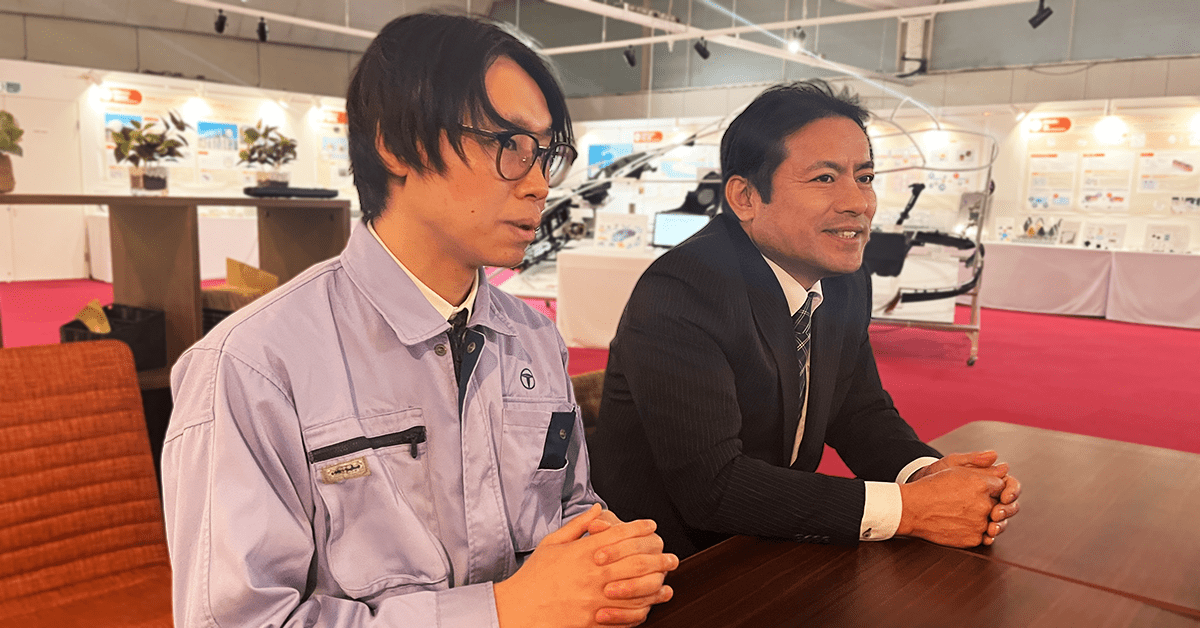
Due to its highly reactive property, fluorine gas is an extremely difficult substance to control, and improper use can lead to major accidents. Takamatsu Teisan Co., Ltd. is creating unprecedented functionalities through its surface treatment technology using fluorine gas. We are engaging in collaborative initiatives to explore new possibilities by combining the strengths of Starlite’s material technology with the strengths of their specialized technology.
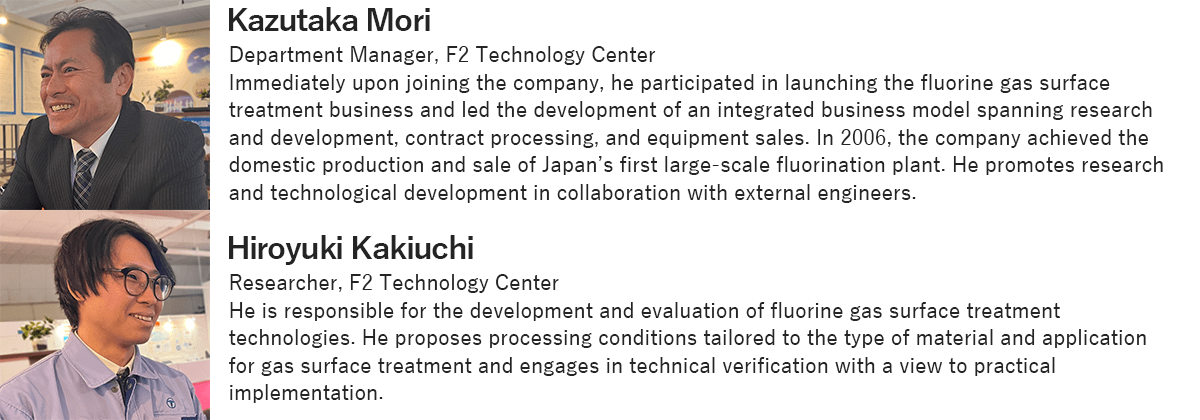
Why did Takamatsu Teisan begin handling fluorine gas?
S (Starlite): Takamatsu Teisan has a reputation as a company that has actively worked on difficult-to-handle gases, such as high-pressure gases and specialty gases. What led Takamatsu Teisan to take on the particularly challenging task of working with fluorine gas at this time?
M (Mori from Takamatsu Teisan): Our job is not just to produce gas, but we must also ensure that users can safely use it under stable conditions. Fluorine gas is highly toxic and has extremely strong oxidizing properties, making it highly hazardous and requiring advanced technical expertise to handle. However, if you avoid something simply because it is dangerous, you will never reach the possibilities that lie beyond. Effectively control risks and consistently create value. That is what Takamatsu Teisan believes in.
What changes with fluorine gas surface treatment?
S: What kind of value are you aiming to create with the surface treatment technology using fluorine gas?
M: We believe fluorine gas surface treatment is a technology that dramatically expands the range of potential applications by radically altering the surface properties of materials through the powerful reactivity and unique characteristics of fluorine atoms and fluorine compounds. For example, imparting barrier properties to the surface of a polyolefin resin container can prevent even organic solvents from penetrating it. This allows product quality of inexpensive containers to be maintained over the long term. Modifying the surface condition prior to bonding or coating may also result in improved resistance to peeling and more consistent manufacturing quality.
S: This technology not only improves product performance but also enhances the manufacturing process itself.
M: Recently, surface treatments that impart hydrophilicity have expanded into applications such as improving the efficiency of processes that spread liquids evenly across surfaces and enhancing the stability of functions enabled by fine surface shapes.
Technologies that enable advanced product functionality and the meaning of collaboration
S: As someone who is actually involved in evaluating and verifying surface treatment methods, what is your opinion on the future potential of fluorine gas surface treatment technology?
K (Kakiuchi from Takamatsu Teisan):
The key feature of fluorine gas surface treatment is its ability to impart only the necessary functions without altering the material itself. For example, while utilizing the elasticity of rubber and the flexibility and workability of resins, we can lower the surface coefficient of friction and adjust barrier properties, wettability (the property of retaining liquids, such as water, on the surface rather than repelling them), and adhesion precisely as intended.
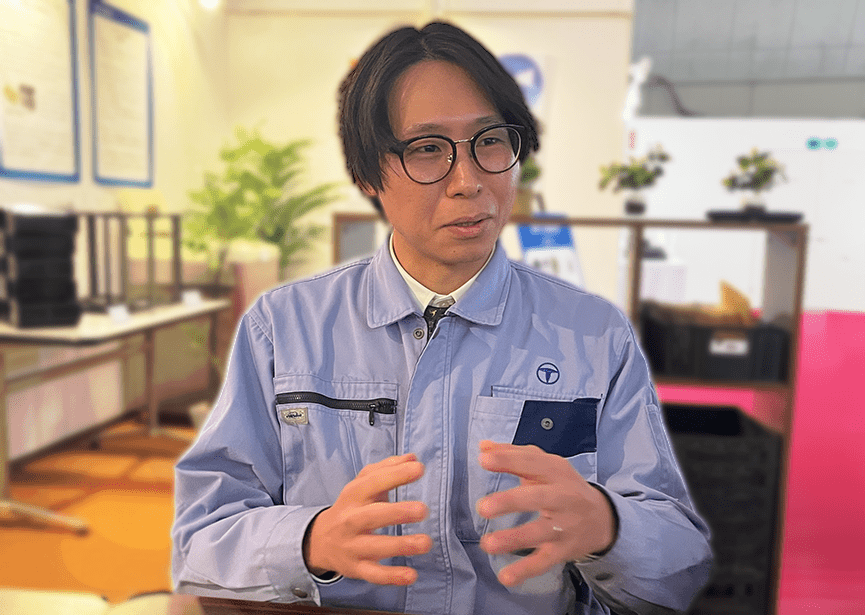
This enhances the product’s functionality and allows it to incorporate multiple features, increasing design flexibility.
S: How does Starlite help expand those possibilities?
K: Takamatsu Teisan specializes in gases, while Starlite specializes in materials such as plastics. Even when looking at the same test results, our different areas of focus lead to different interpretations of why this happens, and different hypotheses about what to investigate next emerge from our broad and specialized perspectives. The answers usually become more logical and concrete. That is why I believe we can quickly proceed with technical verification in a way that makes sense to everyone.
M: We design the gas treatment conditions and processes, and Starlite evaluates the changes in the physical properties of the treated materials. The results can vary significantly depending on the materials used, even with the same treatment and process. Therefore, it is crucial to work with materials experts.
What kind of future do you envision beyond technology?
S: Where do you see our joint research potentially being useful in the future?
M: We are not yet at the stage where we can pinpoint specific applications, but one area that has been discussed as a potential direction is the new energy sector.
K: For example, gas-based energy systems are becoming more high-pressure, so the performance requirements for the materials used in peripheral equipment are more stringent than ever. If surface treatment can enhance durability and reliability, we believe we can develop products that meet even higher requirements.
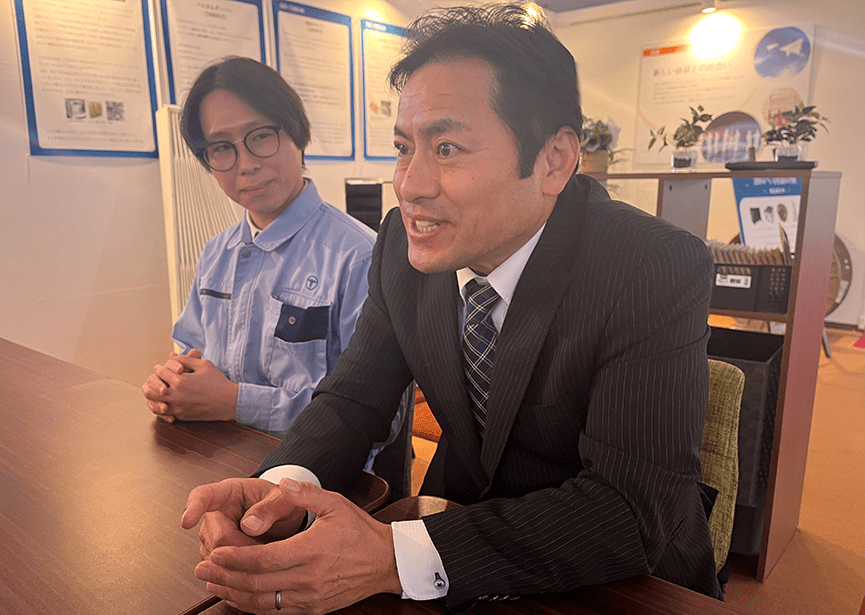
M: Even for facilities, improving product durability and reliability should lead to longer intervals between routine inspections and reduce the risk of unexpected problems. Our goal is to make that the standard situation.
🔗Related links
・ Takamatsu Teisan Co., Ltd. (Available only in Japanese)
・ Technopolis Channel | Takamatsu Teisan’s original video content platform (Available only in Japanese)